Sibling Grief After Childhood Cancer: Helping Brothers and Sisters Cope
Sibling Grief After Childhood Cancer: Helping Brothers and Sisters Cope
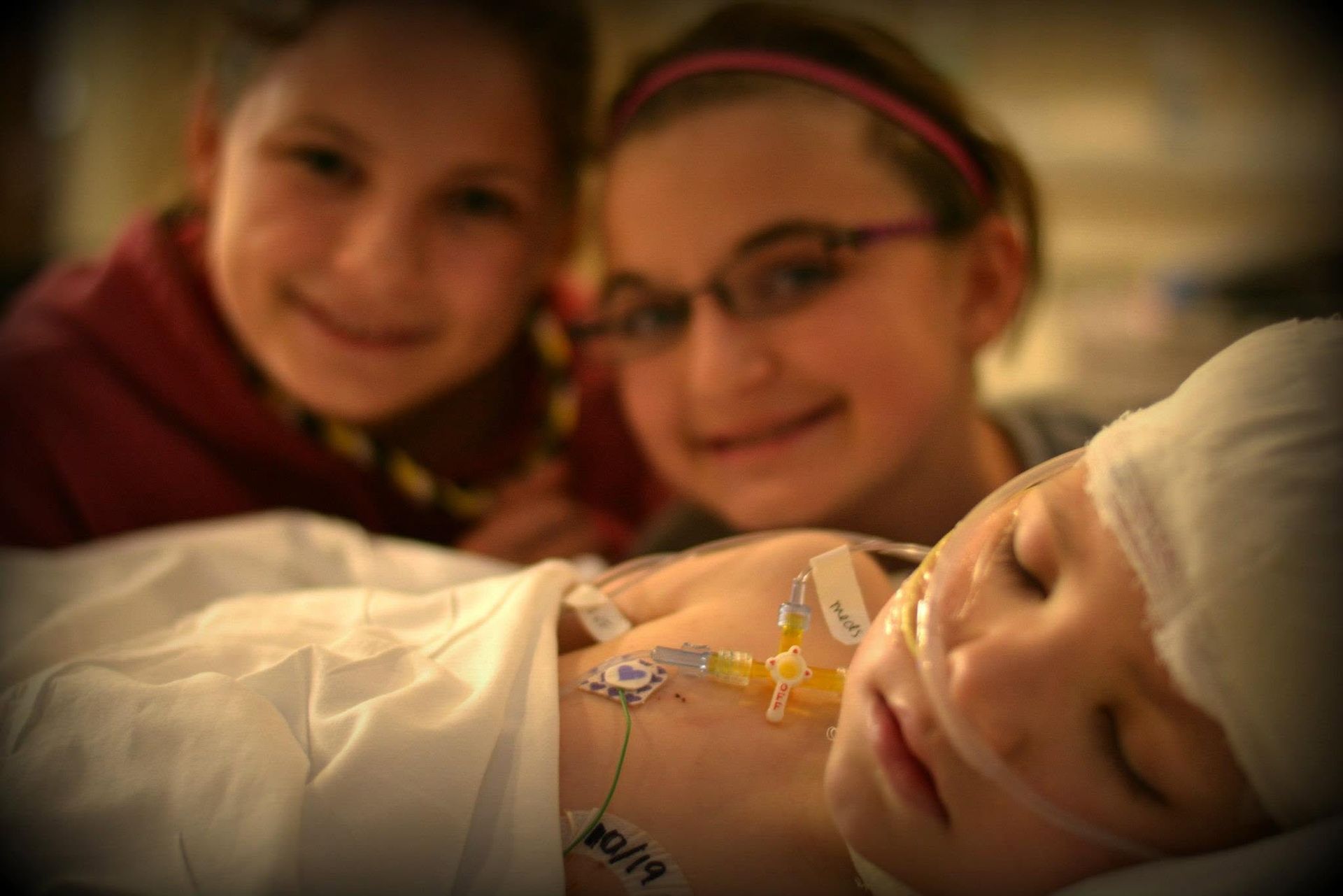
Losing a child to cancer changes a family forever. Parents carry deep pain. Brothers and sisters carry their own grief too.
Sibling grief after childhood cancer can be quiet, loud, confusing, or delayed. Some children cry often. Some act angry. Some ask many questions. Others seem “fine” at first, then struggle months later.
There is no perfect way to help a grieving child. But there are gentle steps that can help siblings feel safe, loved, and included.
What Sibling Grief After Childhood Cancer Can Look Like
Children grieve in many ways. Their grief may also change as they grow.
A young child may not fully understand death. They may ask when their brother or sister is coming home. An older child may understand more but feel guilt, anger, fear, or loneliness. Teens may pull away because they do not want to upset their parents more.
Sibling grief may show up as:
- Trouble sleeping
- Clinginess or fear of being alone
- Anger or mood changes
- School problems
- Stomachaches or headaches
- Wanting to talk about their sibling often
- Not wanting to talk at all
- Feeling guilty for laughing or having fun
- Worry that another family member may die
These reactions do not mean your child is grieving “wrong.” They may be trying to understand something very hard.
Use Honest, Simple Words
Children need the truth in words they can understand. Try to avoid phrases like “went to sleep” or “passed away” with young children. These phrases can be confusing or scary.
You might say:
“Your brother died. His body stopped working because the cancer was too strong, and the doctors could not fix it.”
Or:
“Your sister died from cancer. Nothing you did caused it. Nothing you thought or said made it happen.”
Children may ask the same question many times. This can be painful for parents. But repeated questions are often how children process loss.
It is okay to say, “I do not know.” It is also okay to cry. When children see safe, honest emotion, they learn that grief is not something they have to hide.
Help Siblings Feel Included
Many siblings spend months watching their family focus on treatment. They may have stayed with relatives, missed routines, or felt left out of hospital life. After a death, those feelings can grow.
When possible, include siblings in choices that honor their brother or sister.
They may want to:
- Pick a photo for a memory table
- Draw a picture
- Choose a song
- Write a letter
- Keep a special item
- Help choose flowers
- Light a candle with family
- Visit a meaningful place
Some children may not want to take part. That is okay too. Offer choices, but do not force them.
Make Space for Different Kinds of Grief
One child may want to talk every day. Another may want to play. Another may get angry over small things.
Grief does not always look like sadness.
Try saying:
“Everyone in our family may grieve in a different way. You can talk, cry, play, be quiet, or ask questions. We will keep loving each other through it.”
This helps siblings know they do not have to copy anyone else’s grief.
Watch for Guilt and Fear
Siblings may carry private worries. They may wonder if they caused the cancer by fighting with their brother or sister. They may feel bad that they are healthy. They may worry that they will get cancer too.
Reassure them often.
You can say:
“You did not cause the cancer.”
“You are allowed to laugh and have good days.”
“Being healthy is not something to feel guilty about.”
“If you ever feel scared about getting sick, you can tell me.”
If your child has ongoing fears, ask your healthcare team or hospital social worker for help. They may know counselors, grief programs, or sibling support services near you.
Keep Routines When You Can
After loss, family life may feel upside down. Simple routines can help children feel safer.
Try to keep some steady parts of the day, such as:
- Bedtime routines
- School drop-off plans
- Meals when possible
- Time with a trusted adult
- A weekly family check-in
- Quiet time before bed
Routines do not erase grief. But they remind children that they are still cared for.
Work With the School
Teachers and school counselors can be important supports. Let the school know what happened before your child returns, if possible.
Ask about:
- A quiet place your child can go if they feel overwhelmed
- A trusted adult they can talk to
- Extra time for assignments
- Help with classmates’ questions
- Grief support groups at school
- Check-ins with the counselor
Some children want friends to know. Others want privacy. Ask your child what feels best, then work with the school to protect that choice.
Create Gentle Ways to Remember
Remembering can bring comfort. It can also bring tears. Both are normal.
Families may choose to:
- Make a memory box
- Plant flowers or a tree
- Keep a photo album
- Cook the child’s favorite meal on special days
- Share stories at bedtime
- Write birthday letters
- Do an act of kindness in their memory
The Jayden Lamb Memorial Foundation understands how much hope and encouragement can mean during the childhood cancer journey. When it fits your family’s heart, small gifts, memories, and acts of love can help children feel connected and remembered.
Find Support Outside the Family
Parents are grieving too. Sometimes siblings need another safe person to talk with.
Support may come from:
- A hospital social worker
- A grief counselor
- A school counselor
- A child life specialist
- A faith leader
- A support group
- A grief camp
- A trusted aunt, uncle, grandparent, or family friend
Resources differ by hospital and community. Your hospital social worker can be a good first call. They may know local grief programs for children, teens, and parents.
When to Ask for More Help
Grief takes time. But extra support may be needed if your child:
- Talks about wanting to die
- Hurts themselves or others
- Stops eating or sleeping for long periods
- Cannot return to normal activities over time
- Uses drugs or alcohol
- Has panic attacks
- Seems deeply hopeless
- Pulls away from everyone for a long time
If you are worried about your child’s safety, seek help right away. Contact your child’s doctor, a mental health professional, or emergency services.
A Hopeful Closing for Families
Sibling grief after childhood cancer is tender and complex. There is no script that makes it easy. But your love, honesty, and steady presence matter.
Your child does not need perfect words. They need to know they are safe. They need to know their feelings are welcome. They need to know their brother or sister will not be forgotten.
One small conversation at a time, healing can begin. Your family is not alone, and support is available when you are ready to reach for it.
Five FAQs:
1. What is sibling grief after childhood cancer?
Sibling grief after childhood cancer is the sadness, fear, anger, confusion, or guilt a child may feel after losing a brother or sister to cancer.
2. How do I explain death to a young child?
Use clear, simple words. Say that their sibling died and their body stopped working. Avoid phrases like “went to sleep,” which can confuse children.
3. Should siblings attend the funeral or memorial?
Many children benefit from being included, but they should have choices. Explain what will happen and let them decide how they want to take part.
4. What if my child does not want to talk about their sibling?
That can be normal. Let them know you are available. Some children talk later, through play, art, writing, or time with another trusted adult.
5. Where can families find sibling grief support?
Start with your hospital social worker, child life team, school counselor, local hospice, grief center, faith community, or trusted childhood cancer organizations.
Suggested Internal Links:
- Childhood cancer family support resources
- Ways to encourage a child during cancer treatment
- How to support parents after a childhood cancer diagnosis
- Jayden Lamb Memorial Foundation gift programs
- Coping with hard days during childhood cancer treatment
Suggested External Resources:
- National Cancer Institute: Grief, Bereavement, and Loss
- Together by St. Jude: Helping Children with Grief
- St. Jude: Grief and Bereavement Support
- American Cancer Society: Coping With the Loss of a Loved One